Wake Forest UniversitySearchDirectoriesHelpSite MapHome
Window on Wake Forest
Venice

One of Wake Forest's study abroad programs is at Casa Artom, on the Grand Canal in Venice.

A world-class experience

Sixty percent of undergraduates take advantage of study abroad opportunities

By Kim McGrath
Office of Creative Services

From the jungles of Vietnam and the plains of Africa to the ancient ruins of Greece and the galleries of Paris, more than 60 percent of Wake Forest undergraduates study abroad (not counting those who travel on service trips or for independent research). The University offers more than 400 semester, summer and year-long study abroad programs in 200 cities in more than 70 countries. Steven T. Duke, director of the Center for International Studies, and Leigh Hatchett Stanfield, Assistant Director for Study Abroad, talk about new programs, the cost to study abroad and special opportunities for the spring of 2009.

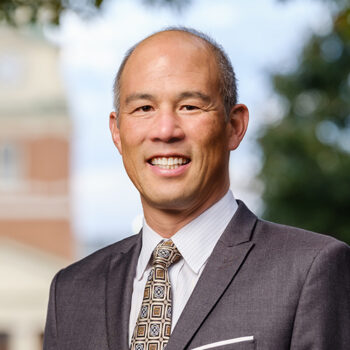
Steven T. Duke

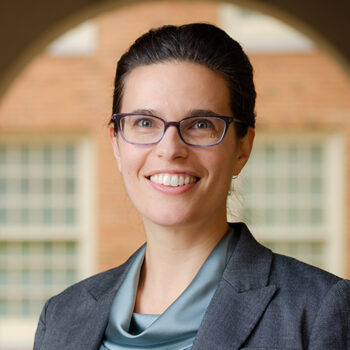
Leigh Hatchett Stanfield and Steven T. Duke

Where do Wake Forest students study abroad?

Stanfield: Every corner of the world. We have students who research emerging economies in China, study Arabic in Morocco, intern with financial institutions in London, build a community school in Vietnam, and dig archeological sites in Portugal. The possibilities are endless.

What types of programs are offered?

Duke: We have Wake Forest-administered programs for both semester and summer options. Many students study at one of the University-owned residences in Venice, London and Vienna for the experience of Wake Forest away from home. We also approve affiliate programs, which are offered through providers or other universities. Using affiliate programs dramatically increases the range of academic offerings and geographic locations.

Stanfield: Our goal is to provide a variety of quality program options to meet all needs. Whether students attend a Wake Forest-administered program or an affiliate program, they will be able to find a program that suits their unique academic needs. For example, in the same host country, one student may need to take beginning language courses alongside coursework in English; while an advanced language student may want to take courses at the local university.

Q and A

What are the most interesting programs?

Stanfield: It depends on the student's interest. One size doesn't fit all. Study abroad experiences are individually tailored. When students come to us looking to study abroad, we listen to the student's goals and then find a program that is based on his or her needs.

What are the newest programs?

Stanfield: Three new summer study programs were developed in 2008 — a three-week trip to Nicaragua that included a service-learning component; a four-week accounting course in Bordeaux, France; and a six-week intensive language program in Tours, France.

What has changed in recent years?

Duke: Students are more interested in Asia and Africa. We're also seeing an upward trend in business majors who study abroad. The myth that business majors and science majors can't study abroad is not true. In fact, fifty percent of business majors and thirty percent of science majors now study abroad. We hope to further increase this percentage in the coming years.

What are the future goals for study abroad?

Duke: We want every student who comes to Wake Forest to engage in some type of international experience. Regardless of major, background or financial circumstances, we want each student to know that study abroad is open to him or her. Another one of our goals is to increase the academic connections between the Reynolda Campus and the global classroom. We are working with academic departments to identify the best study abroad programs for their majors and minors.

What about the cost of studying abroad?

Stanfield: Costs vary with each program but the important thing to note is that substantial resources are available. We allow both Wake Forest financial aid and Federal financial aid to carry over for students attending any approved program.

Duke: Many scholarships are available. In fact, additional scholarships have been designated for students interested in studying abroad for spring 2009. Students who are interested in studying abroad this spring should contact us now about these opportunities. The key is to start early, plan early and seek academic advising.


Send this story to a friend »


--
Wake Forest
Wake Forest University • Winston-Salem, North Carolina • Information: 336.758.5000 | Feedback