
Theatre & Dance Events
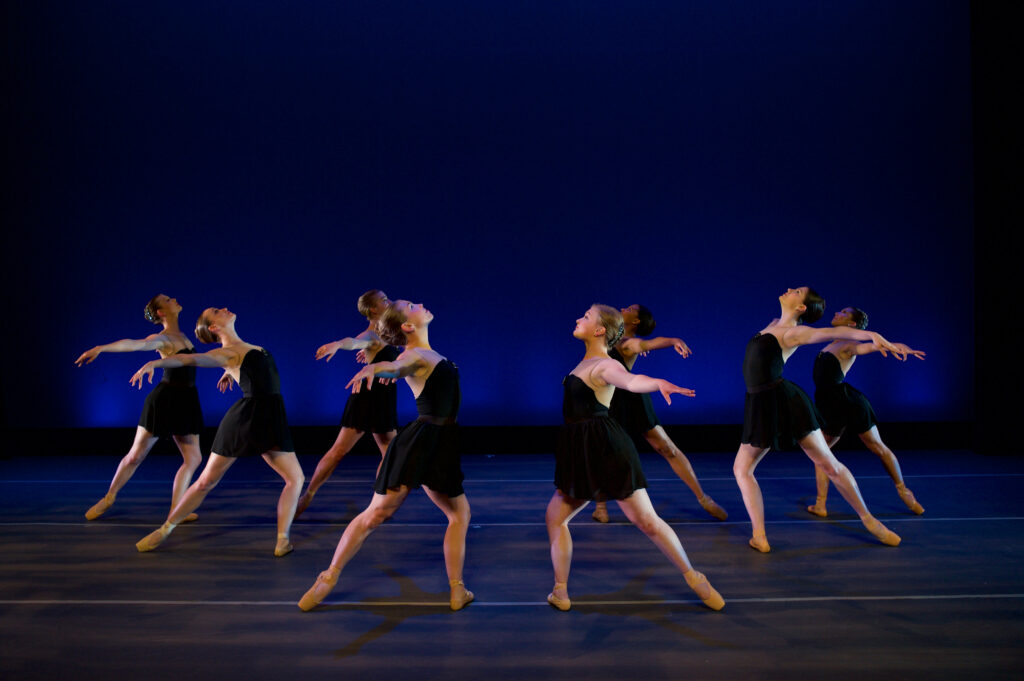
Spring Student Choreographic Concert
April 25-27 at 7:30 pm
April 28 at 2:00 pm
Artistic Director Tina Yarborough-Liggins
The Spring Student Choreographic Concert will feature selected work by student choreographers under the direction of Dance faculty. The Spring Concert gives WFU students the opportunity to present their choreography across a range of dance styles.
Prices are $20 for adults, $15 for senior citizens, and $10 for students. Tickets will be available online and at the box office starting March 19.
Recording and photography are not allowed.
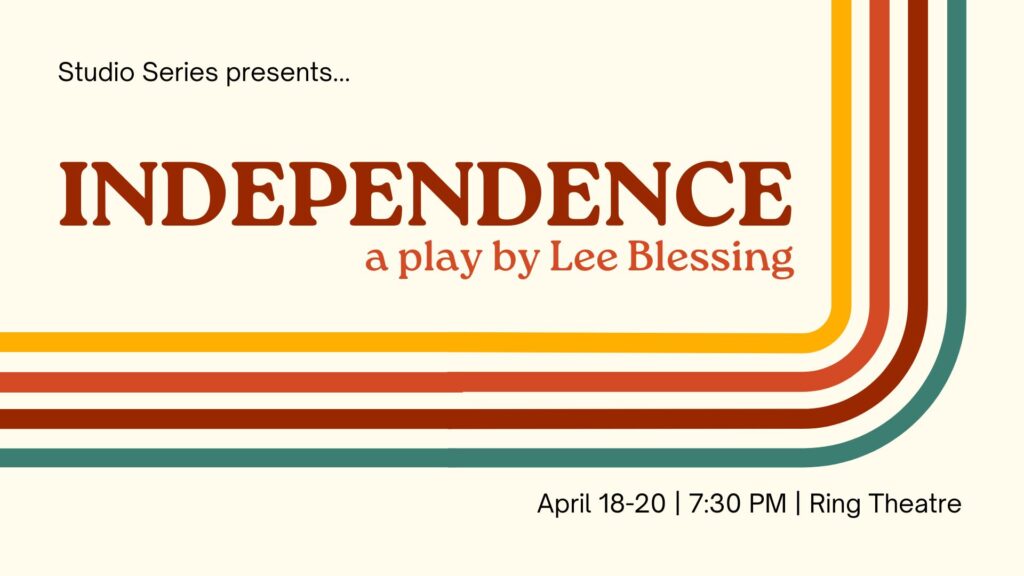
A Studio Series production directed and designed by theatre students. A powerful, disturbing study of a family divided against itself.
Performances:
April 18-20 at 7:30 pm
Ring Theatre, Scales Fine Arts Center
NOTE: There will be no late admission for this production.
Theatre & Dance Department News
- Senior named a winner in playwright competitionBarter College recently announced the winners of its annual College Playwrights competition and senior English and Theatre major Frances Gray Riggs was named as one […]
- ’23-’24 Season AnnouncedWitness for the Prosecution by Agatha Christie directed by Sharon Andrews Sep 22 – Oct 1, 2023 Turning 15 on the Road to Freedom based […]
- Students & Faculty Attend the Prague QuadrennialTheatre & Dance students and inaugural Dodding Award recipients, Vir Gupta (’25) and Riley Shanaghan (’25), used their Dodding Award to attend the
Newsletter
Contact Leslie Spencer to be added to the subscriber list for the Theatre & Dance Department newsletter.
Follow us
