Search Directories Help Site Map Home Wake Forest logo with search and directory links.

Collections

An Inuit art object in our collection.
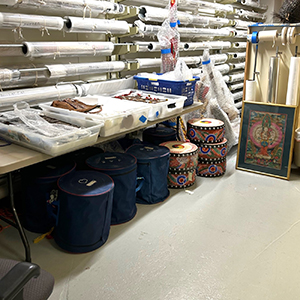
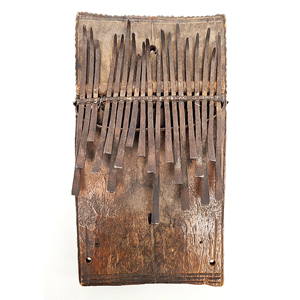
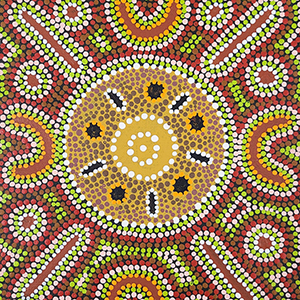
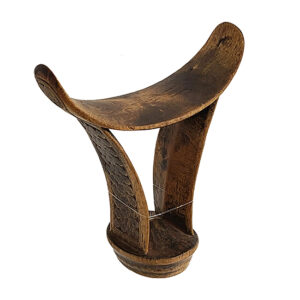
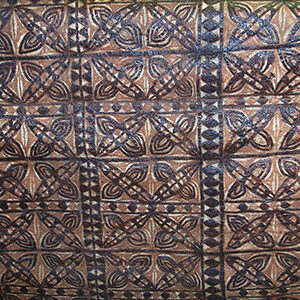
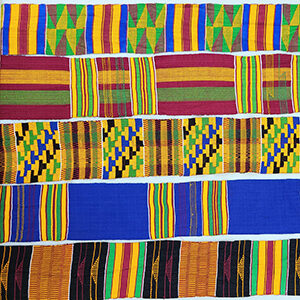
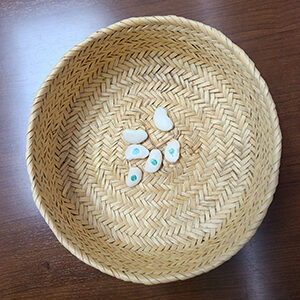
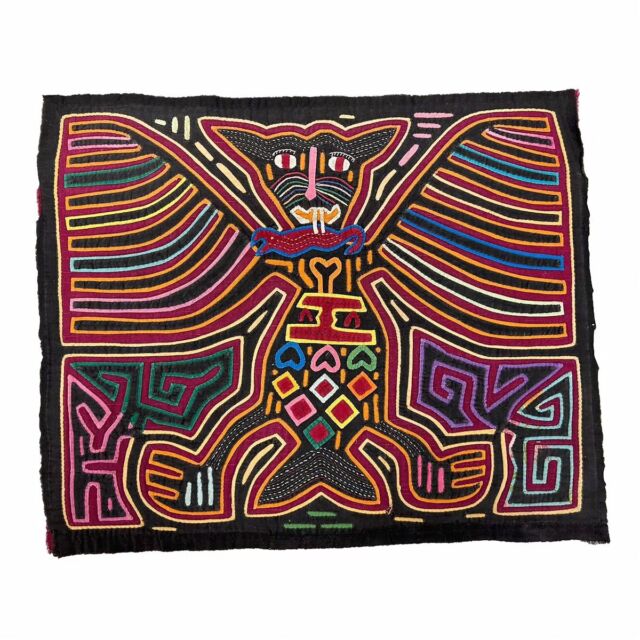
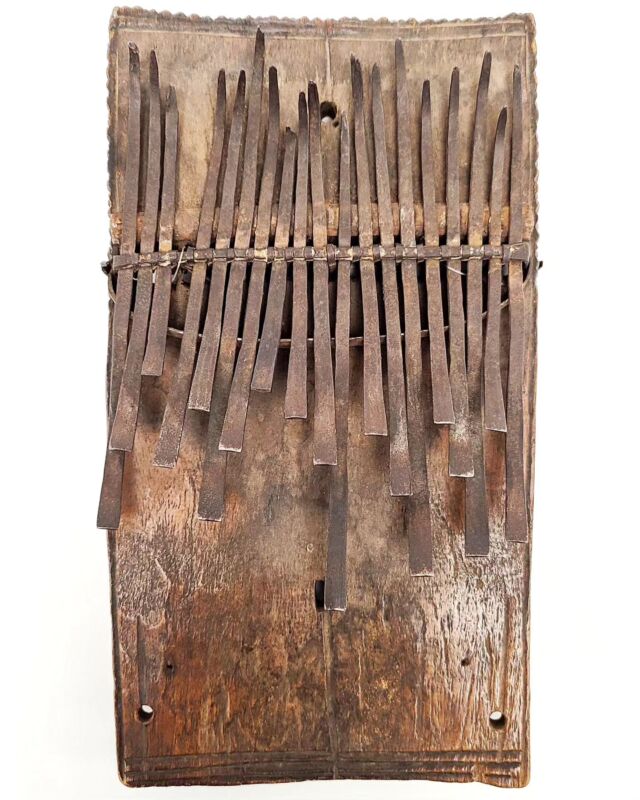
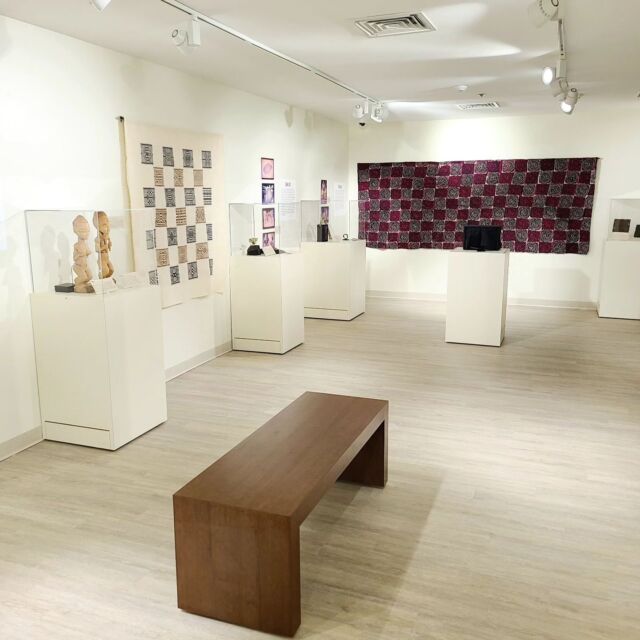
The museum's permanent collection consists of objects from the Americas, Africa, Asia, and Oceania, including household and ceremonial items, textiles, hunting and fishing gear, and objects of personal adornment. Materials collected by Moravian missionaries can be found here, as well as prehistoric artifacts from North Carolina's Yadkin River Valley.

Donations of objects to the Museum of Anthropology help to fill gaps in the collections, make it possible to improve or change exhibits, and provide additional research resources for students and scholars. Donations may be tax-deductible to the extent allowed by law. Collectors often find it more advantageous to donate objects to a museum than to sell them through a dealer. Recently the Museum has received a variety of anthropological and archaeological collections and individual objects through the generosity of donors.

Contact Stephen L. Whittington, Director, to request access for research purposes or to discuss donations of objects.

Visit our searchable Online Artifact Database to explore the Museum’s permanent collections.
Click here to view a list of countries and cultures represented in the collection.

Case Study of the Museum's online database published on the Archaeological Institute of America website

Museum's Emergency Contingency Plan

Museum's Code of Ethics statement

Recent Conservation of painted deer skin robe

Identified as Comanche from the Southern Plains (Texas, east New Mexico, west Oklahoma), this robe has a typical Comanche-style border and hourglass design with a central figure that probably represents a bison. The design is associated with Comanche curing ceremonies. Specific symbolism of designs is little known and seems to be personal to the painter. In this case, a woman would have made the robe for a child to wear. (Men painted human and horse figurative designs on hides.) The robe was probably collected in the mid-19th century and became part of the Wachovia Historical Society’s collection. It was donated to the Museum of Anthropology in January 2005.

Painted skin robe before conservation treatment was performed.The painted skin robe before conservation treatment.

Painted skin robe after conservation treatment was performed.The painted skin robe after conservation treatment.

The Museum of Anthropology received two grants to conserve this Comanche child’s robe. The first was a Bank of America/Institute of Museum and Library Services American Heritage Preservation Grant for $3,000. The second was a North Carolina Preservation Consortium Grant for $1,645. Paired with generous contributions from MOA Friends to the “Save Our Hide” conservation fund, these grants were integral to preserving a rare example of Native American material culture and fulfilled a major goal of the MOA’s long-range conservation plan. The hide robe is an irreplaceable example of Comanche clothing in a museum collection east of the Mississippi River. Ronald Harvey of Tuckerbrook Conservation in Lincolnville, Maine removed the central painted wooden panel, cleaned the surface of the hide, humidified it to decrease brittleness and remove wrinkles, and placed it in a display and storage mount.

This page uses Google Analytics to track anonymous user visits to our website. No personal information is being collected. Full Google Analytics Privacy Policy.