
University Leadership
Wake Forest University Cabinet
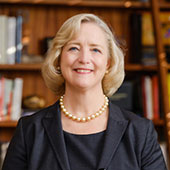
Susan R. Wente
President
BS (University of Iowa); PhD (University of California, Berkeley)
336.758.5212

Ashleigh M. Brock
Chief of Staff
BA (University of Richmond); MA (Michigan State University); PhD (The College of William and Mary)
336.701.5707
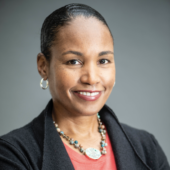
Ebony Boulware
Dean of Wake Forest University School of Medicine, Chief Science Officer and vice chief academic officer of Advocate Health
Bachelor’s in English (Vassar College); MD (Duke University School of Medicine); MPH (Johns Hopkins Bloomberg School of Public Health)
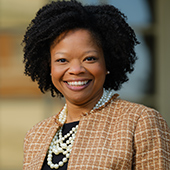
Shea Kidd Brown
Vice President for Campus Life
BS (University of Southern Mississippi); MA (University of Georgia); PhD (University of Memphis)
336.758.5943
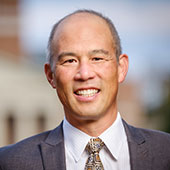
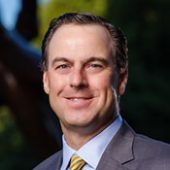
John Currie
Director of Athletics
BA (Wake Forest University); MA (University of Tennessee)
336.758.3140
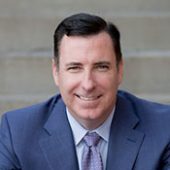
James J. Dunn
Special Assistant to the President & CEO, Verger Capital Management
BS (Villanova University)
336.758.4240
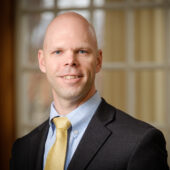
Brett Eaton
Vice President of Communications and Chief Communications Officer
336.758.4393

Julie Ann Freischlag, M.D.
Chief Executive Officer of Atrium Health Wake Forest Baptist, Chief Academic Officer and Executive Vice President of Advocate Health, and Executive Vice President for Health Affairs at Wake Forest University
BS (University of Illinois); MD (Rush University)
336.716.3408

Michele Gillespie
Provost
BA (Rice University); MA, PhD (Princeton University)
104 Reynolda Hall
336.758.3418

Andrew Klein
Dean, Wake Forest University School of Law
BA (University of Wisconsin); JD (Emory University School of Law)
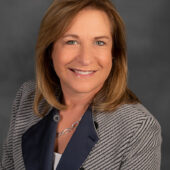
Jackie Krasas
Dean of the College and Graduate School of Arts & Sciences
BA (Lehigh); MS, PhD (University of Southern California)

Julia Jackson-Newsom
Senior Advisor for Planning and Partnerships
BA (Wake Forest); MA, PhD (Penn State University)
336.758.5212

Charles L. Iacovou
Dean, School of Professional Studies and Vice Provost for Charlotte Programs
BS (University of Vermont); PhD (University of British Columbia)
200 North College Street, Suite 150
336.758.4579
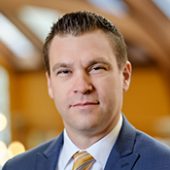
Eric Maguire
Vice President, Enrollment
BA (Muhlenberg College); MS (Indiana University)
336.758.2685

Mark A. Petersen
Senior Vice President of University Advancement
BA (Brandeis University); MA (University of Southern California)
336.758.5890

Tim Pyatt
Dean, Z. Smith Reynolds Library
BA (Duke University); MLS (North Carolina Central University)
336.758.5478
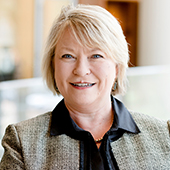
Annette L. Ranft
Dean, School of Business
BS (Appalachian State University); MS (Georgia Tech); PhD (UNC Kenan-Flagler School of Business)
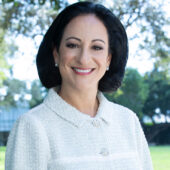
Jacqueline A. Travisano, Ed.D.
Executive Vice President and Chief Financial Officer
BA (Robert Morris University); MBA (Chatham University); EdD(Nova Southeastern University)
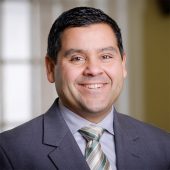
José Villalba
Vice President for Diversity and Inclusion; Chief Diversity Officer
BS, M.Ed, PhD (University of Florida)
336.758.3824

Corey D.B. Walker
Dean, School of Divinity; Wake Forest Professor of the Humanities; Director, Program in African American Studies
PhD (The College of William and Mary); MTS (Harvard University); MDiv (Virginia Union University); BS (Norfolk State University)
336.758.3957
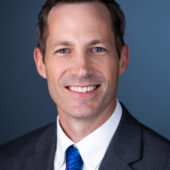
Brian White
Vice President and General Counsel
JD (University of Iowa College of Law)
Atrium Health Wake Forest Baptist Medical Center Leadership
Ebony Boulware
Dean of Wake Forest University School of Medicine, Chief Science Officer and vice chief academic officer of Advocate Health
Bachelor’s in English (Vassar College); MD (Duke University School of Medicine); MPH (Johns Hopkins Bloomberg School of Public Health)
Julie Ann Freischlag, M.D.
Chief Executive Officer of Atrium Health Wake Forest Baptist, Chief Academic Officer and Executive Vice President of Advocate Health, and Executive Vice President for Health Affairs at Wake Forest University
BS (University of Illinois); MD (Rush University)
336.716.3408
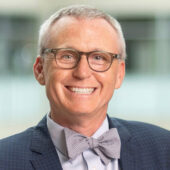
Dr. David Zaas
President, Health System, Wake Forest Baptist Health
BS (Yale University); MD (Northwestern University); MBA (Duke University)

Kevin P. High
Vice Chief Academic Officer, Advocate Health
BS (Bucknell University); MD (University of Virginia School of Medicine)
336.716.6211