Art Department News
- Studio Honors Candidate Sabrina Bakalis (’24) Entangled Existence Exhibition and Reception
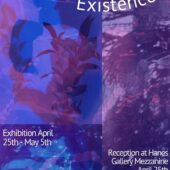 Exhibition runs April 25 – May 5 at Hanes Gallery. Reception on Thursday, April 25 from 5:00-7:30pm at Hanes Gallery Mezzanine.
 - Fall 2024 Course Posters
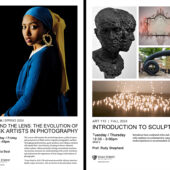 Fall 2024 Courses: Art History | Studio
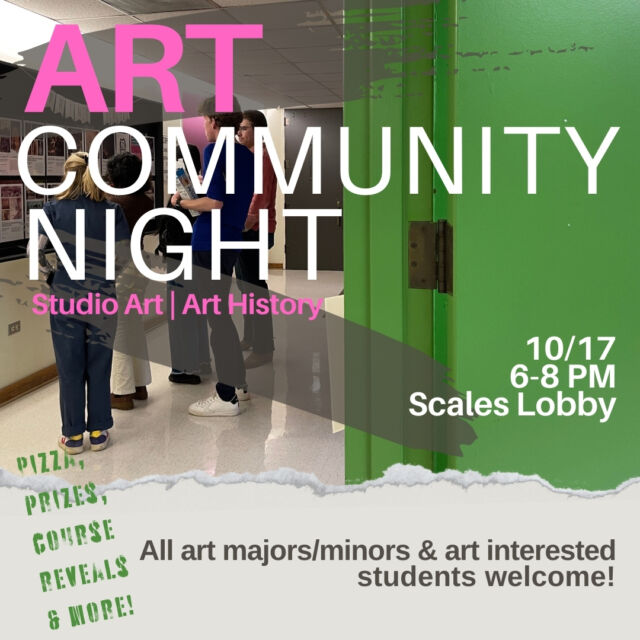
 - Art Community Night
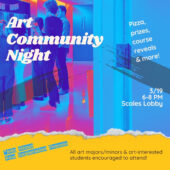 All art majors/minors and art-interested students are encouraged to attend the Art Community Night on Tuesday, March 19, from 6-8pm in the Scales Lobby. Here, students will learn information regarding the new registration process on Workday. There will be pizza, […]
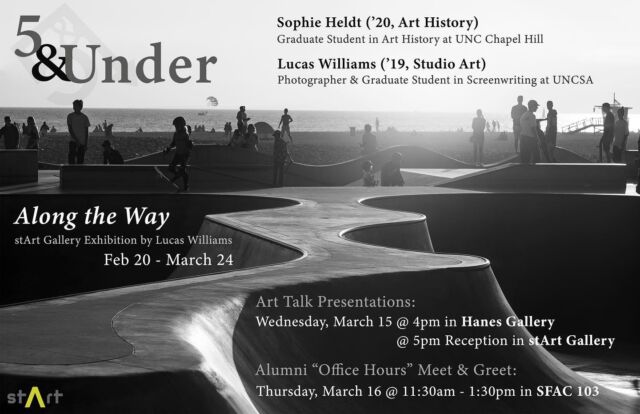
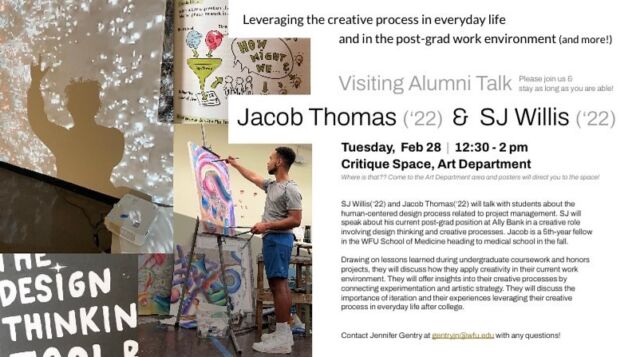
 - Visiting Alum – Livi Andreini (’20), Textile Conservator at the University of Amsterdam, and Incoming Textile Conservation Fellow at the Los Angeles County Museum of Art (LACMA) – gives talk on March 18, 4:00 pm & networking coffee chat March 19, 11 am-1 pm
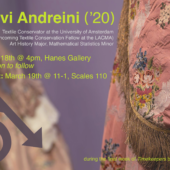 Students can learn about her experiences abroad and perspectives on getting a job after graduation! Network with Livi! There are two events scheduled around her visit: • Talk on Monday, March 18th, @ 4:00 in Hanes Gallery, with a reception to follow • Coffee chat for […]
 - Contemporary Art and the Venice Biennale (Art 199) – SPRING 2024
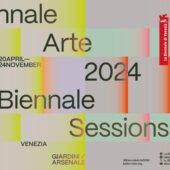 This exciting course, taught by Joel Tauber, meets both on campus and in Venice during the most important recurring international art exhibition, The Venice Biennale. Students begin the class on the Reynolda campus during the spring semester, and […]
Department Events
Studio Honors Candidate Exhibition Reception: Sabrina Bakalis (’24)
April 25 / 5:00-7:30pm / Hanes Gallery Mezzanine
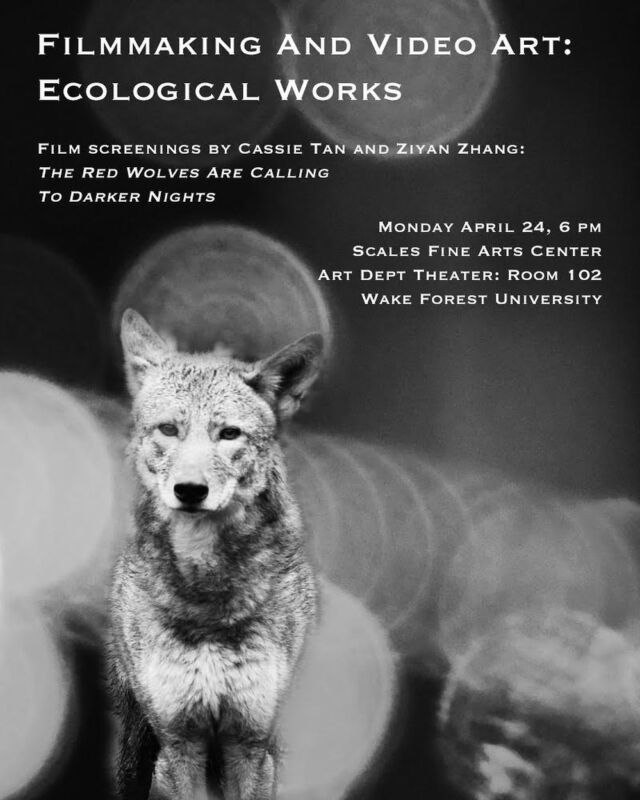
Student Filmmaking & Video Art Screening
May 2 / 5pm / Scales 102
Exhibitions
- Entangled Existence by Studio Honors Candidate Sabrina Bakalis (’24)
- Studio Honors Candidate Sabrina Bakalis (’24) Entangled Existence Exhibition and ReceptionExhibition runs April 25 – May 5 at Hanes Gallery. Reception on Thursday, April 25 from 5:00-7:30pm at Hanes Gallery Mezzanine.